Chelated Micronutrients Guide
Micronutrient deficiencies are easy to miss and expensive once they appear, yet they cap yield long before nitrogen or phosphorus ever does. Chelated Micronutrients solve the core problem: they keep iron, zinc, manganese, and copper in a plant-available form even in high-pH or calcareous soils where ordinary salts lock up within hours. This buyer guide explains chelation, how EDTA products work, and how to specify a grade that performs.
What Chelated Micronutrients Do
A Chelated Micronutrients product wraps a metal ion in an organic molecule that protects it from precipitation in the soil solution. The result is a stable, mobile nutrient the root can absorb. Without chelation, applied zinc or iron in alkaline soils converts to insoluble oxides within hours and never reaches the plant. Chelation is what makes foliar and soil micronutrient programs actually work.
EDTA Chelate Chemistry
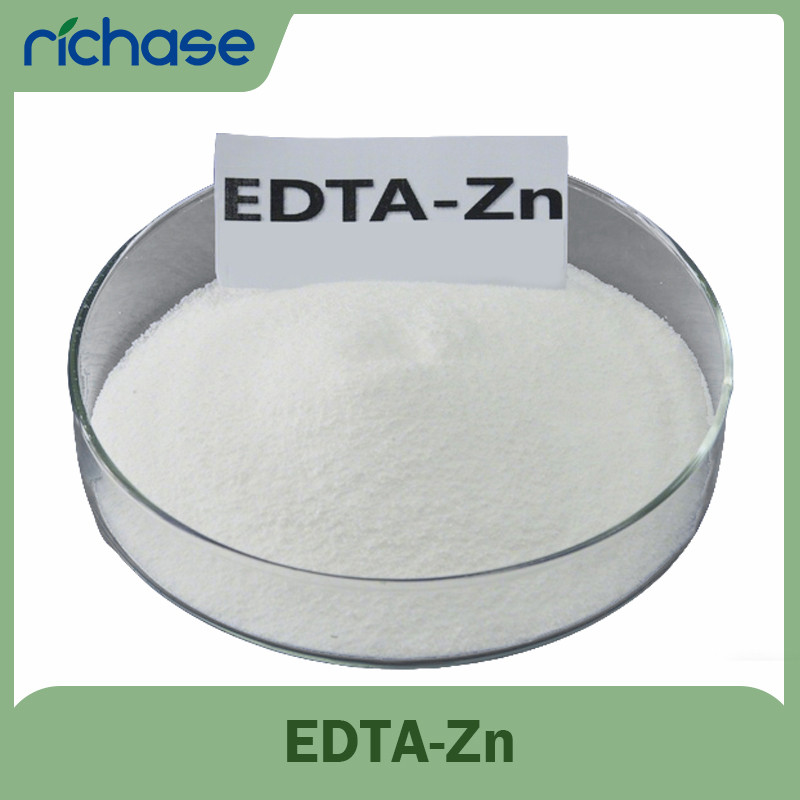
An EDTA chelate uses ethylenediaminetetraacetic acid to bind the metal at multiple points, holding it in solution across a wide pH range. EDTA is the most common and cost-effective chelating agent for agriculture because it is stable and predictable. The trade-off is that very high pH or strong sunlight can gradually break the bond, so application timing and placement still matter.
Micronutrient Fertilizer Role
In a complete micronutrient fertilizer strategy, chelates supply the trace elements crops need in tiny but critical amounts. Zinc drives enzyme function and growth regulation, iron powers chlorophyll, manganese supports photosynthesis, and copper is essential for reproduction. A deficit in any one quietly suppresses yield even when N-P-K is perfect.
Zinc EDTA and Common Deficiencies
Zinc EDTA is the single most-used chelate because zinc deficiency is widespread in calcareous, sandy, and high-phosphorus soils. Symptoms include interveinal chlorosis in new leaves and shortened internodes. A foliar or soil application of zinc EDTA corrects it quickly, and the improvement in tillering and grain fill is often visible within days.
Plant Nutrition Balance
Sound plant nutrition treats micronutrients as non-negotiable, not optional. Tissue testing and soil pH guide which chelates to apply and at what rate. Because chelates are concentrated and potent, precision matters: too little leaves deficiency, too much can antagonize other nutrients. A measured program protects both yield and input cost.
Deficiency Correction Strategy
Deficiency correction works best preventively. A standing low-rate chelate program through the season avoids the peaks and crashes that hurt yield, while a targeted rescue spray fixes acute symptoms at critical stages. Foliar chelates act fastest; soil chelates give longer residual protection in the root zone.
Choosing the Right Chelate
Specify the metal, the chelate percentage, and the chelating agent. For broad alkaline soils, EDTA or DTPA zinc and iron are standard; for very high pH, stronger agents may be needed. Request a certificate of analysis covering metal content, solubility, and heavy-metal limits, and confirm the product dissolves fully without residue.
Application Methods
Foliar application gives the quickest correction and is ideal for acute deficiency. Soil and fertigation application build reserve in the root zone for seasonal protection. Because chelates are compatible with most tank mixes, they slot into existing spray or drip schedules without re-engineering the program.
Sourcing and Documentation
Consistency separates a useful chelate from a risky one. A supplier providing SGS or equivalent verification, batch certificates, and OEM packing protects your blend from off-spec or contaminated material. Reliable lead time matters because deficiency windows are short and corrective action cannot wait for late shipment.
Storage and Handling
Store chelates in a dry, cool area below 60 percent relative humidity, away from strong acids and oxidizers. Keep containers sealed to prevent moisture pickup and caking. Proper storage preserves solubility and ensures the product performs when mixed into the tank.
How Richase Supports Growers
Richase Group Limited supplies Chelated Micronutrients including EDTA-Zn, EDTA-Fe, EDTA-Cu, and EDTA-Mn to agriculture customers across Africa, Latin America, Europe, and Southeast Asia, backed by ISO, SGS, and CIQ documentation with OEM packing. Review the technical sheet and request a sample on the product page: EDTA-Zn Chelate.
Key Takeaways for Buyers
- Chelated Micronutrients keep trace elements available in tough soils.
- An EDTA chelate is stable and cost-effective across wide pH.
- Zinc EDTA corrects the most common field deficiency fast.
- Base rates on tissue tests and soil pH, not guesswork.
- Choose a documented supplier for consistent, safe chelates.
Conclusion
Richase Group Limited understands that complete plant nutrition includes the trace elements that cap yield, and our Chelated Micronutrients are supplied under a strict quality system that protects assay, solubility, and safety in every batch, helping growers prevent deficiency and protect output.