Choline Chloride Enhancement Method BY:Lina
Choline Chloride Enhancement Method
In modern shrimp farming nutrition programs, choline chloride has become an indispensable core component. As feed formulation shifts from extensive to precision nutrition, maximizing feed utilization efficiency has become key to improving profitability. Choline chloride plays a crucial role in shrimp feed optimization by promoting methyl metabolism and cell regeneration, effectively participating in lipolysis to help shrimp absorb energy more efficiently. In the context of high-density and rapid turnover in shrimp farming, it is of significant value in improving overall efficiency.
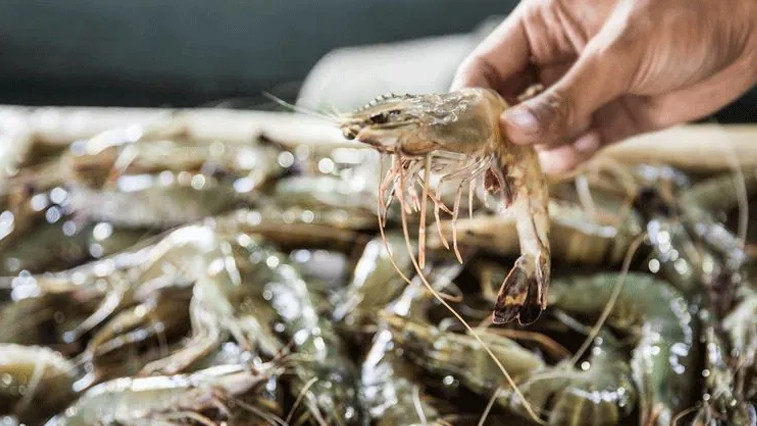
Its main function is to enhance the shrimp's energy metabolism pathways, promoting the coordinated utilization of fats, proteins, and carbohydrates, thus maintaining a rapid and stable growth curve. Producers often increase choline chloride dosage during the fattening period to enhance the vitality of various organs and improve transpeptide efficiency, thereby making the farming process more efficient. Furthermore, its metabolic properties can reduce feed waste, maintain a better feed conversion ratio (FCR), and promote healthy shrimp body shape.
On the other hand, choline chloride excels in enhancing shrimp's stress resistance, especially in scenarios involving sudden temperature changes, transfers between ponds, and water quality changes caused by rainfall. By maintaining cell membrane integrity and normal nerve conduction, it can improve the shrimp's tolerance to adverse environments. When combined with a proper feeding and water quality management program, stress-induced mortality can be significantly reduced, helping farmers achieve more stable survival rates and more consistent shrimp sizes.
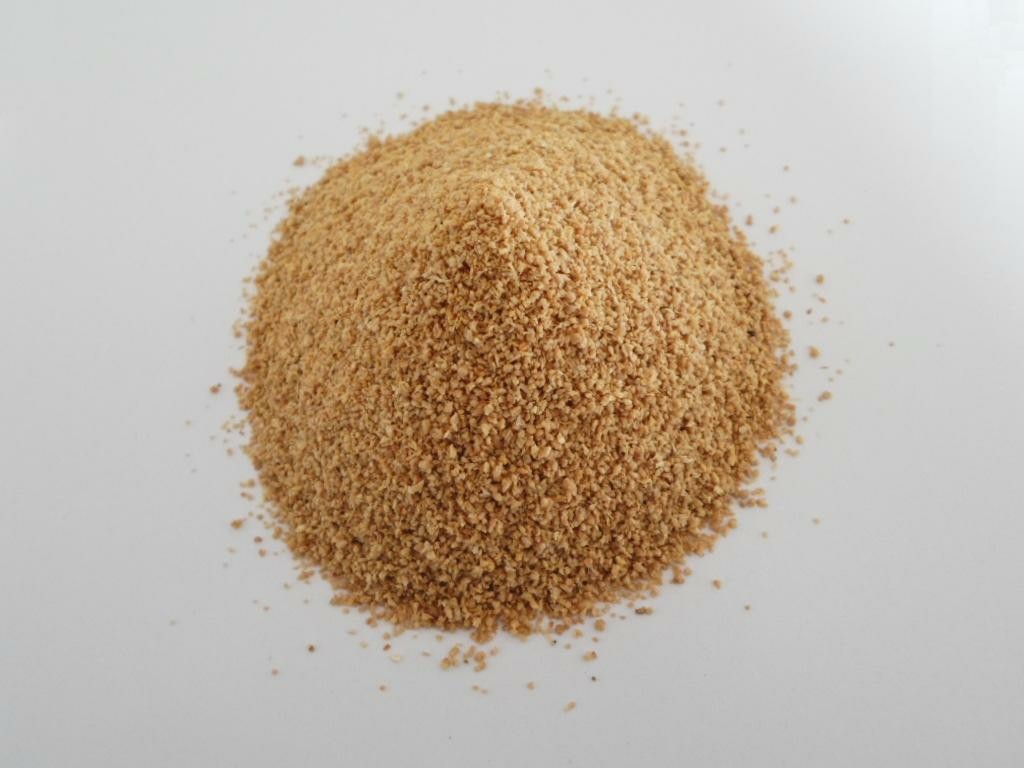
In terms of environmental management, choline chloride also plays a practical role in improving the pond bottom. Its properties of improving digestibility and reducing oil deposition help reduce uneaten feed and organic load at the bottom of the pond, decreasing the formation of black and foul-smelling sludge, thereby improving the bottom ecosystem. A stable bottom not only reduces the growth of harmful bacteria but also promotes dissolved oxygen exchange, making the entire pond environment more suitable for the rapid growth of shrimp. Therefore, choline chloride improves nutrient utilization and optimizes the ecological environment, making aquaculture more sustainable.
As shrimp farming grows quickly around the world, Tea Saponin has become a key tool—it helps get high productivity while protecting the environment in the long run. It’s useful in pond preparation, water cleaning, and natural purification. So whether it's a small family farm or a big industrial one, Tea Saponin is really valuable. More and more people now care about sustainability, and Tea Saponin shows it’s a natural, efficient, and eco-friendly additive.
Richase provides comprehensive solutions for modern livestock production, including high-quality feed additives and technical support. Our products undergo rigorous quality testing to ensure safety and efficacy, helping farmers develop optimal animal nutrition strategies that improve productivity, enhance livestock health management, and maximize operational profitability.
For more information about our products, please feel free to contact our sales team
[Platform release disclaimer]
This platform part of the article picture source or adapted from the Internet, the main purpose is to share information, so that more people get the information they need, the copyright belongs to the original author, such as infringement of your rights and interests or copyrights, please let us know in time, we will be deleted within 24 hours!