Dicalcium Phosphate Feed Guide
For monogastric animals, phosphorus from plant sources is locked behind phytate and largely unavailable, so diets must be supplemented with a highly digestible mineral source. Dicalcium Phosphate (DCP) is the standard DCP feed phosphate because it supplies both calcium and bioavailable phosphorus in a form animals use efficiently. This buyer guide covers what DCP does, how to specify a grade, and how to avoid the mistakes that waste phosphorus and money.
What Dicalcium Phosphate Delivers
Dicalcium Phosphate is a feed-grade mineral supplying calcium and phosphorus, typically around 20 to 23 percent phosphorus and 15 to 18 percent calcium. In animal feed, it is the primary phosphorus source for swine and poultry, where plant phosphorus is mostly bound in phytate and unavailable. The phosphorus in DCP is highly digestible, so it meets the animal's requirement without excessive inclusion.
DCP Feed Grade Quality
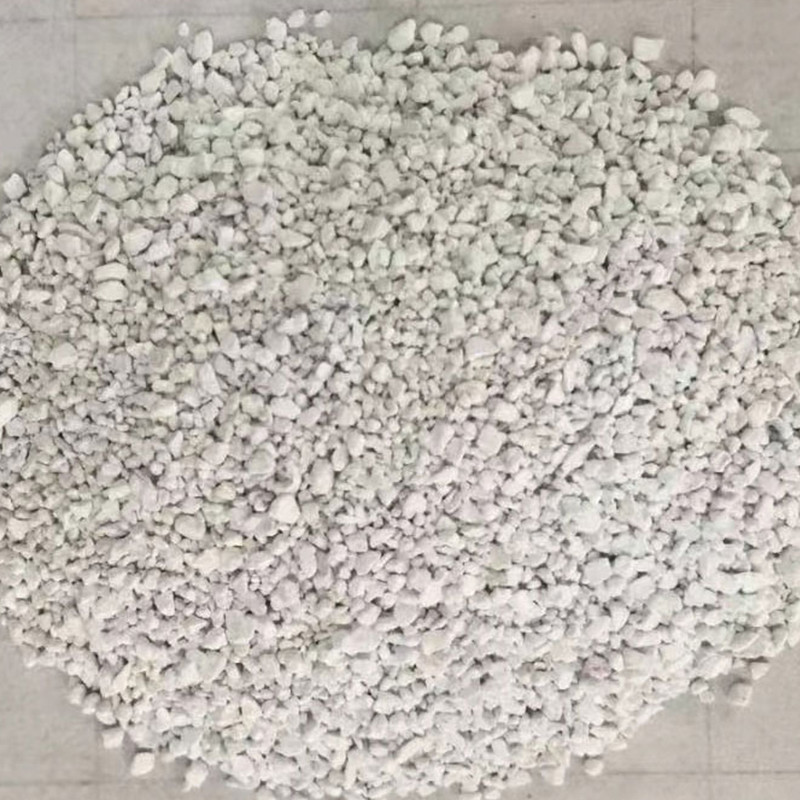
True feed grade DCP must meet strict limits on fluorine, heavy metals, arsenic, and lead, since these contaminants concentrate in mineral supplements. It should be a free-flowing, low-dust powder or granule that blends uniformly into premixes and finished feed. When you request a quote, ask for the phosphorus and calcium assay plus the full contaminant specification, not just price per ton.
Animal Feed Phosphorus Balance
In animal feed, the calcium-to-phosphorus ratio is as important as the absolute amounts. Too much calcium ties up zinc and other trace elements; too little phosphorus limits bone development and growth. DCP lets formulators hit the target ratio precisely because its Ca:P is known and consistent, protecting both animal health and feed conversion.
Phosphorus Feed and Bone Health
A phosphorus feed source drives skeletal development, energy metabolism, and milk production. Deficiency shows as lameness, poor gain, and weak bones, while excess is excreted and raises environmental load. Because DCP phosphorus is highly available, you can meet the requirement with less total mineral, cutting both cost and manure phosphorus.
Livestock Nutrition Efficiency
Good livestock nutrition means delivering nutrients in available form, not just listing them on paper. DCP's digestibility translates directly into better feed conversion and lower excretion per unit of meat, milk, or eggs. That efficiency compounds across a production cycle and improves the environmental profile of the operation at the same time.
Best Species and Diets
DCP is used across swine, poultry, aquaculture, and some ruminant supplements. In starter and grower diets it supports rapid bone growth; in layers and dairy it sustains shell and milk quality. Phase feeding adjusts the DCP rate to the animal's changing calcium and phosphorus need, avoiding both deficiency and wasteful oversupply at finish.
Choosing the Right Grade
Specify total phosphorus, calcium, fluorine, and contaminant limits, plus particle size for your mixing system. Request a certificate of analysis and confirm the product passes your own incoming screening for flow and absence of lumps. A consistent, clean DCP protects blend uniformity and dosing accuracy in automated plants.
Sourcing and Supplier Consistency
DCP is produced from mineral and phosphoric acid streams, so origin and process affect purity. A supplier providing batch certificates, feed-grade declarations, and ISO or SGS verification protects your feed claims to auditors and customers. Reliable lead time matters because mineral supplements are standing, just-in-time inputs.
Storage and Handling
Store DCP in a dry area below 60 percent relative humidity; while stable, moisture pickup causes caking and lump formation that disrupts dosing. Keep bags off the floor, rotate stock, and segregate from acids and moist goods. Good housekeeping preserves flow and protects your formulation accuracy.
Common Buying Mistakes
The costly mistake is buying on price per ton while ignoring fluorine and heavy-metal limits and actual phosphorus availability. A cheap, contaminated, or variable lot can fail feed-safety standards and force reformulation, erasing any savings many times over. Always compare delivered available phosphorus cost and insist on full documentation.
How Richase Supports Feed Producers
Richase Group Limited supplies Dicalcium Phosphate feed-grade material to mills and integrators across Africa, Latin America, Europe, and Southeast Asia, backed by ISO, SGS, and CIQ documentation with OEM packing. Review the specification and request a sample on the product page: Dicalcium Phosphate Feed.
Key Takeaways for Buyers
- Dicalcium Phosphate supplies bioavailable calcium and phosphorus.
- Specify feed grade by P, Ca, fluorine, and heavy-metal limits.
- Correct Ca:P ratio protects bone health and trace-element use.
- High digestibility lowers cost and manure phosphorus.
- Choose a documented supplier to protect feed safety and lead time.
Conclusion
Richase Group Limited understands that dependable livestock nutrition starts with dependable minerals, and our Dicalcium Phosphate is supplied under a strict quality system that protects assay, purity, and safety in every batch, helping feed producers improve conversion and protect margin.