Fulvic Acid Biostimulant Guide
For growers chasing better soil structure, nutrient efficiency, and root development, Fulvic Acid has moved from curiosity to core input. As the smallest, most biologically active fraction of humic substances, a fulvic acid fertilizer improves how plants take up nutrients and how soil holds them. This buyer guide explains what fulvic acid does, how it differs from humic acid, and how to specify a grade that performs.
What Fulvic Acid Actually Is
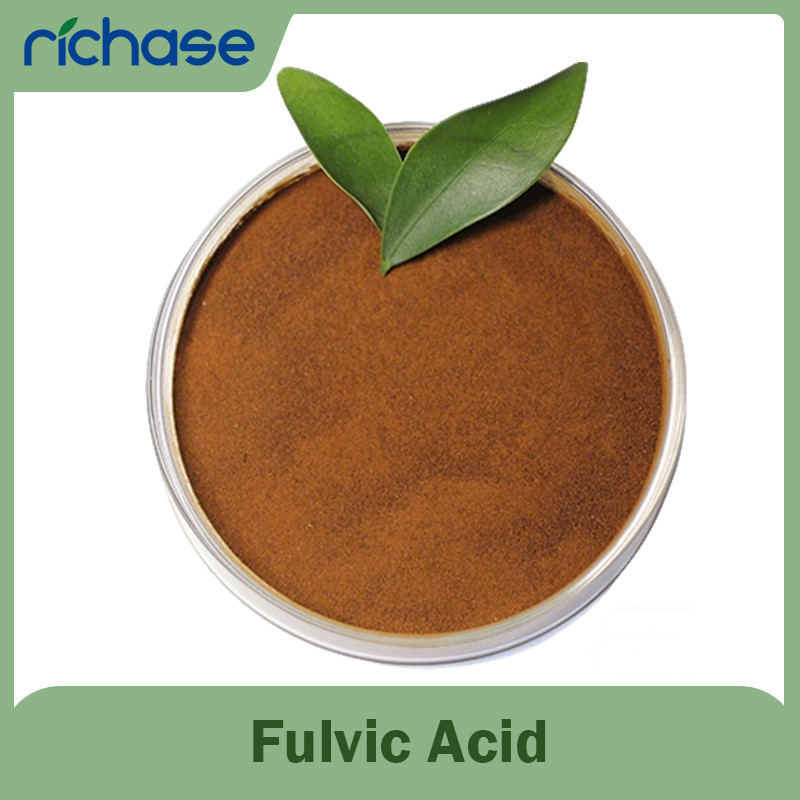
Fulvic Acid is a low-molecular-weight humic substance formed by the natural decomposition of organic matter. Its small size and high oxygen content let it penetrate cell walls and chelate minerals, acting as a natural transporter of nutrients into the plant. Unlike larger humic molecules, fulvic acid is soluble across the full pH range, which makes it uniquely versatile in foliar, soil, and hydroponic use.
Fulvic Acid Fertilizer Benefits
A fulvic acid fertilizer program improves nutrient uptake, stimulates root growth, and enhances the activity of beneficial soil microbes. Because fulvic acid carries minerals in a plant-available form, it lifts the efficiency of existing fertilizer, often allowing a small reduction in conventional inputs without sacrificing yield. In regulatory terms, fulvic acid is commonly classed as a biostimulant because it primes plant metabolism rather than acting as a direct nutrient. Growers also report better seedling vigor and more uniform stands.
Humic Substance Compared to Humic Acid
Within the humic substance family, fulvic acid is the mobile, soluble fraction while humic acid is the larger, soil-conditioning fraction. They are complementary: humic acid improves structure and water retention, fulvic acid drives nutrient transport into the plant. Many premium programs use both, but fulvic acid is the one that works in foliar sprays and closed hydroponic loops.
Soil Conditioner Action
As a soil conditioner, fulvic acid increases cation exchange capacity and helps flocculate dispersed clays, improving aeration and water infiltration. In tired, compacted, or saline soils, that structural improvement supports deeper roots and better drought resilience. The effect builds over seasons, so consistent application matters more than a single large dose.
Nutrient Uptake and Chelation
The standout property is nutrient uptake enhancement through chelation. Fulvic acid binds iron, zinc, manganese, and calcium into small complexes that move easily into roots and leaves. In high-pH or calcareous soils where those micronutrients normally lock up, fulvic acid can be the difference between deficiency symptoms and a healthy crop.
Crop Nutrition Integration
In an integrated crop nutrition plan, fulvic acid is the efficiency layer: it makes the rest of the program work harder. Apply it with base fertilizers, in foliar micronutrient mixes, or through drip as a standing ingredient. Because it is compatible with most inputs, it slots into existing schedules without re-engineering the whole program.
Best Crops and Systems
Fulvic acid suits nearly every system: field crops, vegetables, orchards, turf, and hydroponics. It is especially valuable in soilless culture, where it substitutes some of the chelation function healthy soil would otherwise provide, and in organic-leaning programs seeking to reduce synthetic input dependence.
Choosing the Right Grade
Specify fulvic acid content, source (leonardite, compost, or extraction), solubility, and heavy-metal limits. A genuinely high-fulvic product dissolves clear with minimal residue; poor grades leave sludge that clogs emitters. Ask for a certificate and a solubility test before committing to a large volume.
Sourcing and Documentation
Source and processing method affect both performance and odor. A supplier providing SGS or equivalent verification, consistent assay, and OEM packing protects your blend quality. Because fulvic acid is often a standing input, reliable lead time is as important as price per kilogram of active.
Storage and Handling
Store powders in a dry area below 60 percent relative humidity and keep liquids out of direct sun and extreme heat. Reseal containers after use. Proper storage preserves solubility and prevents contamination that could affect tank-mix compatibility downstream.
How Richase Supports Growers
Richase Group Limited supplies Fulvic Acid powder and blends to agriculture customers across Africa, Latin America, Europe, and Southeast Asia, backed by ISO, SGS, and CIQ documentation with customized blending and OEM packing. Review the technical sheet and request a sample on the product page: Fulvic Acid.
Key Takeaways for Buyers
- Fulvic Acid is the soluble, mobile fraction of humic substances.
- A fulvic acid fertilizer boosts nutrient uptake and root growth.
- It works as a soil conditioner and a foliar chelator alike.
- Specify fulvic content, source, solubility, and heavy metals.
- Choose a documented supplier for consistent, residue-free product.
Conclusion
Richase Group Limited understands that efficient crop nutrition starts with healthy, receptive soil, and our Fulvic Acid products are supplied under a strict quality system that protects purity, solubility, and safety in every batch, helping growers lift both yield and input efficiency.