Thermal Conductive Plastic Additives BY:Lydia
Thermal Conductive Plastic Additives
Magnesium Oxide Everyone knows that thermal conductive plastics are a type of product with excellent thermal conductivity. They utilize thermal conductive fillers to uniformly fill the polymer matrix material, thereby enhancing its thermal conductivity. Thermal conductive plastics refer to a category of plastic products with high thermal conductivity, typically having a thermal conductivity greater than 1 w/(m·K). Due to their lightweight, fast thermal conductivity, simple injection molding process, and low processing costs, thermal conductive plastics are becoming increasingly widely used. In recent years, magnesium oxide/alumina has gradually been applied in the production of thermal conductive plastics. Compared to metal fillers, it not only enhances the thermal conductivity but also provides good insulation effects, while also improving the mechanical properties of the plastic, achieving excellent results. Thermal conductive plastics are divided into two main categories: thermally conductive and electrically conductive plastics, and thermally conductive insulating plastics.

The main components of thermal conductive plastics include the matrix material and fillers; the matrix materials include PPS, PA6/PA66, LCP, TPE, PC, PP, PPA, PEEK, etc.; fillers include AlN, SiC, Al2O3, graphite, fibrous high-thermal-conductivity carbon powder, flaky high-thermal-conductivity carbon powder, etc. Plastics exhibit good corrosion resistance and mechanical properties, but compared to metal materials, their thermal conductivity is poor. The thermal conductivity of HDPE (high-density polyethylene), which has the best thermal conductivity, is only 0.44 VV/(m·K). The low thermal conductivity of plastics limits their application range, making them unsuitable for various friction-induced heating or situations requiring timely heat dissipation. With the rapid development of integration and assembly technologies in the electrical field, electronic components and logic circuits have shrunk thousands or even millions of times in size, urgently requiring insulating packaging materials with high heat dissipation properties. The addition of magnesium oxide meets this demand.
The advantages of thermally conductive plastics are as follows:
(1)uniform heat dissipation, avoiding hot spots and reducing local deformation of parts caused by high temperatures;
(2)lightweight, easy to process, and no need for secondary processing;
(3)high degree of freedom in product design and good fluidity;
(4)since the main molding method is injection molding, the rubber material flows into the mold after being heated and pressurized, and then cools and forms.
The best choice in rubber applications Based on the above analysis, the conclusion is very clear:
Rutile titanium dioxide is the most suitable and mainstream choice for almost all rubber products.
Outdoor rubber products: such as white tire sidewalls, car seals, rubber tiles, outdoor cables, sports field mats, etc. These products are directly exposed to sunlight, wind, and rain, and must use high weather resistant rutile titanium dioxide coated with inorganic materials such as aluminum, silicon, and zirconium to ensure long-term color stability and physical properties. The use of anatase type can lead to catastrophic early failure.
Indoor light/white products: such as shoe soles, latex gloves, medical rubber stoppers, erasers, etc. Although indoor ultraviolet radiation is weak, there are still problems of light aging and yellowing over time. Rutile type titanium dioxide can provide more durable appearance protection and better coverage, and from the perspective of cost-effectiveness and reliability, it is also superior to anatase type.
Limited application of rutile type: It can only be used in extremely special fields that do not come into contact with light and have no requirements for weather resistance, or in low-end products that pursue extremely low cost and short-term use. In high-performance rubber formulations, it is generally not recommended to use.
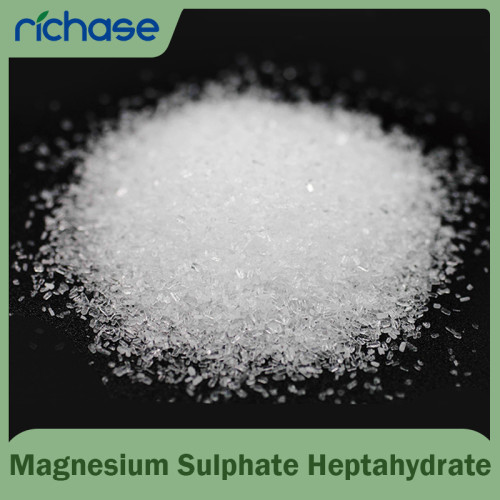
For more information about our magnesium products, please feel free to contact our sales team.
[Platform release disclaimer]
This platform part of the article picture source or adapted from the Internet, the main purpose is to share information, so that more people get the information they need, the copyright belongs to the original author, such as infringement of your rights and interests or copyrights, please let us know in time, we will be deleted within 24 hours!