Amino Acid Biostimulants Gain Traction
Plant Amino Acid biostimulants are moving from niche specialty to mainstream crop input as growers chase yield stability under erratic weather. Suppliers across Europe, Latin America, and Asia report rising inquiry for amino acid fertilizer products used as foliar and root drenches. The category's appeal is simple: it helps crops tolerate stress and use soil nutrients more efficiently without adding heavy salt load.
What Is Driving Biostimulant Interest
Extreme heat, drought, and irregular rainfall have pushed crop stress to the top of agronomic concerns. Amino acids are the building blocks plants need to synthesize proteins and enzymes during recovery, so applying them directly reduces the energy a plant must spend rebuilding itself after a shock. That makes a biostimulant program a practical insurance line for high-value horticulture and cereals alike.
Amino Acid Fertilizer Enters Mainstream Programs
Once confined to greenhouse ornamentals, amino acid fertilizer is now formulated into field programs for grapes, citrus, tomatoes, and rice. Blenders combine free amino acids with micronutrients and humates so a single foliar fertilizer pass delivers both nutrition and stress protection. Distributors say repeat ordering is strong because growers see visible recovery within days of application.
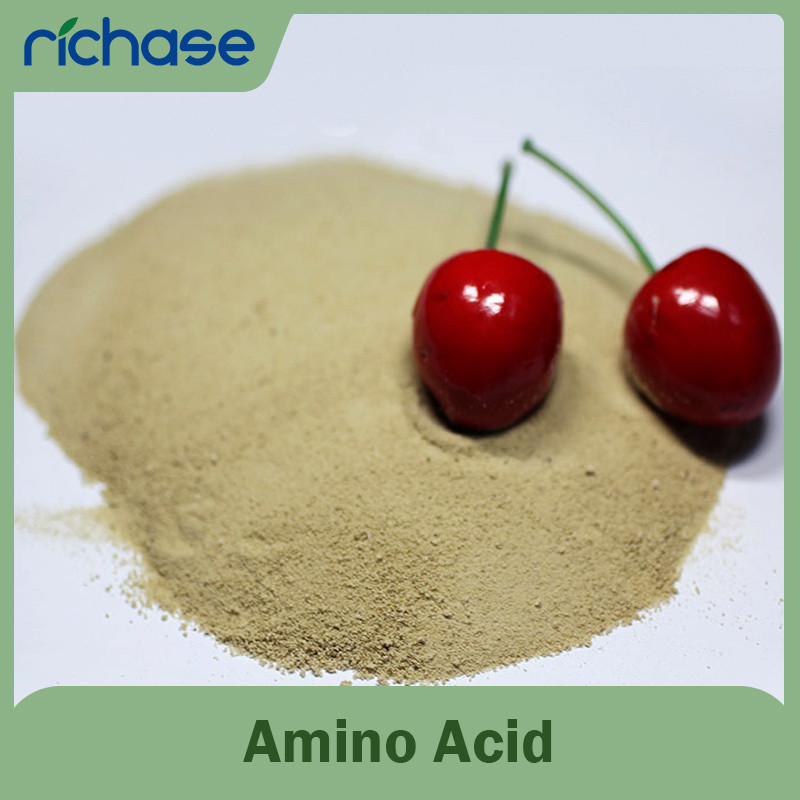
The Role of Foliar Fertilizer in Stress Management
A foliar fertilizer bypasses soil biology and delivers actives straight to leaf tissue, which is exactly what a stressed plant needs when root function is compromised. Amino-acid-based foliar products are preferred because they are gentle, low in salt, and compatible with most tank mixes. Agronomists recommend application at fruit set, before heat windows, and after hail or flooding events.
Plant Nutrition Efficiency Gains
Good plant nutrition is not only about grams of nutrient applied but how much the crop actually absorbs. Amino acids act as chelating agents and metabolic primers, improving uptake of iron, zinc, and manganese already in the soil. In field trials cited by suppliers, combining amino acids with a standard program lifted apparent fertilizer efficiency, allowing modest cuts in conventional fertilizer without yield loss.
Market and Regulatory Tailwinds
Biostimulant definitions are being formalized in major markets, which gives formulators clearer labeling and buyers more confidence. As the category professionalizes, procurement teams are shifting from spot purchases to annual supply agreements, securing consistent amino-acid profiles and reliable delivery through peak seasons.
What Buyers Should Verify
Not all amino-acid products are equal. Buyers should check the total free amino acid content, the dominant individual acids (such as glutamic and proline for stress response), solubility, and absence of heavy metals. A reputable biostimulant supplier provides an analysis sheet and recommends dilution rates matched to crop and growth stage.
Application Trends in Key Regions
In Southern Europe, vineyards lead adoption; in Latin America, soybeans and sugarcane are the fast movers; in Asia, rice nurseries and vegetable belts drive volume. The common thread is high crop value coupled with recurring crop stress, which justifies the per-hectare cost of a Plant Amino Acid program.
Supply and Sourcing Notes
Hydrolyzed vegetable and microbial fermentation sources dominate the market. Importers increasingly ask about origin and processing method because these affect odor, color, and compatibility. Stable, low-viscosity liquids that resist clogging in drone and boom sprayers are preferred for large-scale work.
Outlook
With climate volatility expected to persist, demand for amino acid fertilizer and related biostimulant inputs should keep climbing. The winners will be suppliers offering documented profiles, agronomic support, and dependable logistics rather than the cheapest drum on the market.
Conclusion
Plant Amino Acid biostimulants have earned a permanent place in modern plant nutrition programs by reducing crop stress and lifting fertilizer efficiency. As the category matures, buyers who standardize on verified, well-supported products will capture the most consistent return.