Zinc Feed Minerals Demand Rises in Livestock
Zinc Feed Minerals Move to Centre Stage
Livestock nutrition programmes across the world are putting a sharper focus on zinc sulphate feed as producers respond to tightening pressure on both performance and margins. Nutritionists point to zinc's role in immunity, skin and hoof integrity, and reproductive performance as the reason mineral programmes are being rebalanced. With demand for livestock minerals rising steadily, procurement teams are reviewing their sources of feed grade zinc more carefully than ever.
Why Zinc Is Non-Negotiable in Modern Rations
Zinc participates in more than 300 enzyme systems in the animal body. It underpins protein synthesis, cell division and immune function, and a deficiency shows up quickly in reduced growth, poor feed conversion and higher disease pressure. For this reason, nutritionists treat zinc as a cornerstone trace mineral rather than an optional addition. Consistent supply of bioavailable zinc is essential, and that places zinc sulphate monohydrate at the heart of many premix programmes.
Regulatory Pressure Shapes the Zinc Market
The regulatory environment is also shifting. The European Union has capped total zinc in complete feed to 150 mg per kg, pushing formulators toward highly available sources that deliver results at lower inclusion rates. This favours products with guaranteed assay and low impurity profiles, and it raises the bar for suppliers. Buyers increasingly require documented heavy-metal control, especially cadmium and lead, which makes certified feed grade zinc supply a competitive differentiator.
Monohydrate Gains Share Over Oxide and Sulphate
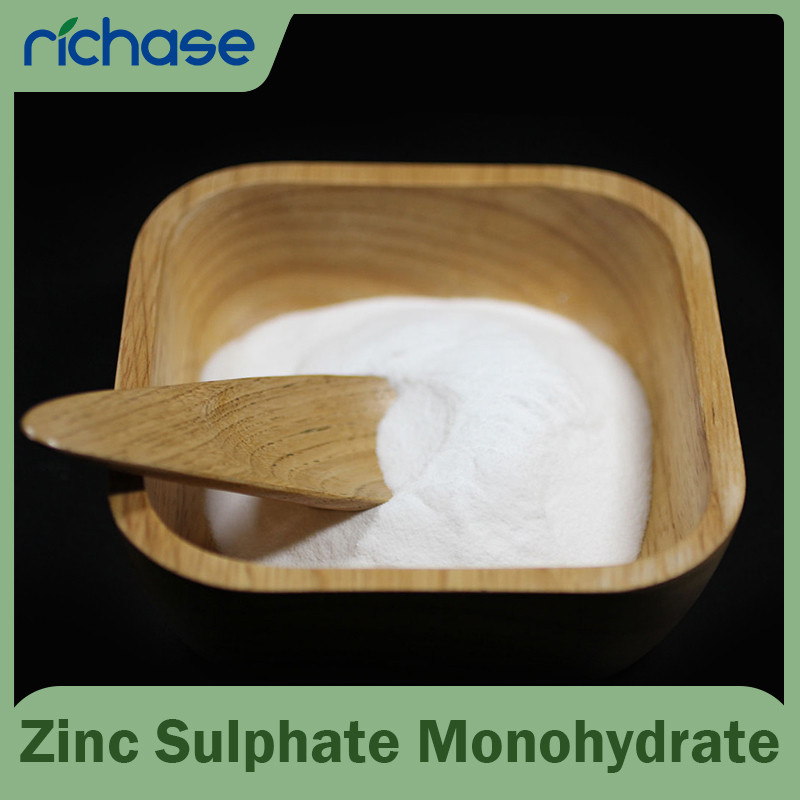
Within zinc sources, zinc sulphate monohydrate is gaining share over zinc oxide and heptahydrate forms. The monohydrate offers a higher zinc content per unit of weight, better flowability and lower moisture, which simplifies premix handling and reduces freight costs per tonne of zinc. Nutritionists also report consistent bioavailability, making it a reliable choice for both swine and poultry rations as well as ruminant mineral blends.
Demand Drivers in Poultry and Swine
Poultry and swine remain the largest consumers of zinc feed minerals. Broiler producers use zinc to support leg health and immune competence during rapid growth phases, while sow and gilt rations rely on zinc for reproductive efficiency and litter uniformity. In aquaculture, zinc supplementation supports moulting and stress resistance in shrimp. Each species has its own requirement curve, but all share the same need: a dependable, high-purity zinc source.
Ruminant Applications Grow
Ruminant nutrition is a growing segment for zinc. Dairy cows under heat stress or high milk production show measurable responses to supplemental zinc, including better claw health and lower somatic cell counts. Beef operations use zinc to support growth and immune function through backgrounding and finishing. Because rumen conditions can bind trace minerals, formulators pair zinc supplement feed with appropriate carriers to protect availability through the digestive tract.
Quality Parameters Buyers Must Verify
When sourcing zinc sulphate feed, buyers should verify the assay of zinc content, moisture, insolubles and heavy-metal limits against regional regulations. A current certificate of analysis for every lot, a consistent particle size for uniform mixing, and low caking tendency are all part of a robust specification. Suppliers who can document these parameters lot after lot reduce the risk of premix quality failures and regulatory non-compliance.
Pricing Trends and Supply Security
Zinc sulphate pricing tracks the LME zinc price plus conversion costs, so buyers should watch base-metal markets when planning contracts. Supply security matters too: reliable producers with integrated raw-material access and stable export logistics provide the certainty that premixers need. Long-term relationships with suppliers who hold consistent quality and deliver on schedule are becoming more valuable as demand rises.
Richase Supply Response
Richase Group Limited supplies feed-grade zinc sulphate monohydrate with documented assay, tight heavy-metal control and dependable packaging for premix and feed-mill customers. Our team supports buyers with certificates of analysis, sampling and specification matching across markets. If you are reviewing your zinc feed mineral programme, we can help you secure consistent quality from a reliable Chinese supply base.
What to Watch Next
Expect continued tightening of heavy-metal limits in major feed markets, growing use of monohydrate in place of lower-density forms, and steady demand growth from aquaculture and ruminant segments. Buyers who lock in certified quality now, with documented assay per lot, will be best positioned to ride the next phase of animal nutrition zinc demand.