Leading Mining & Agriculture Chemical Supplier

Leading Mining & Agriculture Chemical Supplier
Phone: +86-135-9112-6676
E-mail: info@richase.com
E-mail: info@richase.com
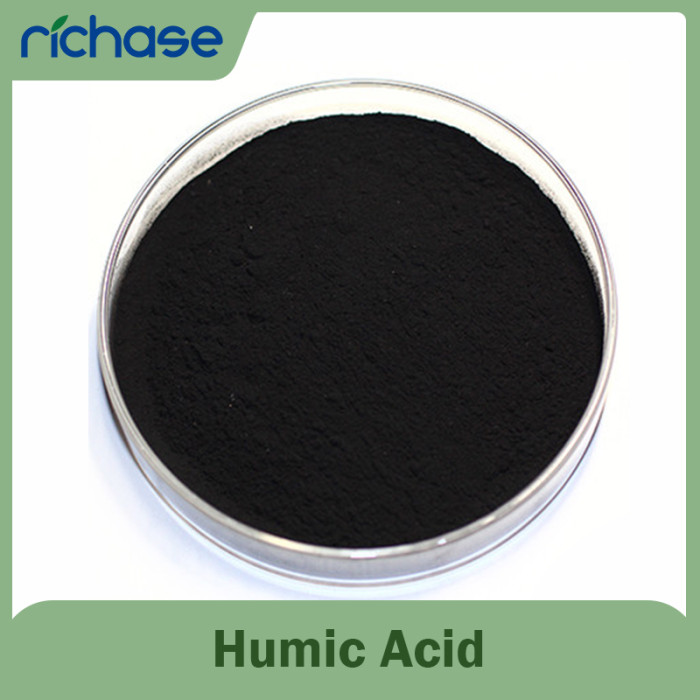
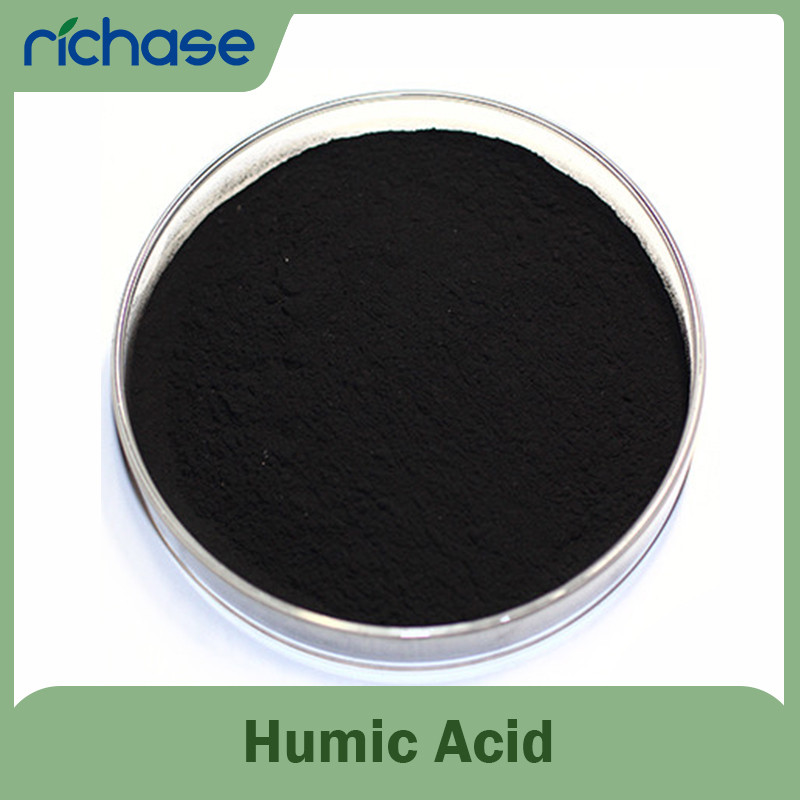
Humic acid/Potassium humate


| Share | |
|---|---|
| Categories | Organic |
| Brand | Richase Specialty Chemical Additives Supplier |
| Model | 50%-70% |
| Name | POTASSIUM HUMATE |
| CAS | 68514-28-3 |
| application | Soil/Foliar fertilizer |
| PH | 0.2%-0.5% |
| Fineness | 150mesh |
| water solubility | 99.5% |
| Packing | 25kg |
| OEM packing | yes |
| Free sample | yes |
| FOB port | Tianjin/Shanghai/Qingdao |
| Terms of Payment | L/C, D/A, D/P, Western Union |
Detail Information

What is Humic Acid?
Potassium humate/humic acid:
Humic acid/Potassium humate
Richin International Trade (Dalian)Co.,Ltd was engaged in fertilizer and feed exported, sold well in many countries, such as South America, Africa, New Zealand, Southeast Asia....If you have any requriement or question, welcome to contact us.
Humic acid/Potassium humate
Richin International Trade (Dalian)Co.,Ltd was engaged in fertilizer and feed exported, sold well in many countries, such as South America, Africa, New Zealand, Southeast Asia....If you have any requriement or question, welcome to contact us.
Humic Acid is a cornerstone organic substance derived from the natural decomposition of plant and animal matter over millennia, forming a key component of soil humus. It is a complex mixture of large, organic molecules with a high molecular weight. While not directly soluble in acidic water, it becomes soluble in alkaline conditions, commonly processed into user-friendly forms like Potassium Humate. Humic Acid is not a direct fertilizer but a powerful soil conditioner and biostimulant. Its primary role is to fundamentally improve soil physics, chemistry, and biology, creating an optimal environment for root growth and unlocking the full potential of applied fertilizers. Think of it as renovating and revitalizing the soil itself to support sustainable, high-yield agriculture.
Core Features & Competitive Advantages
Superior Soil Architecture Builder
· Enhances Soil Structure: Binds to clay particles to form stable soil aggregates (crumbs), dramatically improving soil aeration, drainage, and water-holding capacity. This alleviates compaction and creates a loose, fertile tilth ideal for root exploration.
· High Cation Exchange Capacity (CEC): Acts as a giant, negatively charged “sponge” in the soil, attracting, holding, and slowly releasing positively charged nutrients (like ammonium, potassium, calcium, magnesium), preventing leaching and making them available to plants over time.
Nutrient Efficiency Amplifier & Root Stimulator
· Chelates & Solubilizes Nutrients: Forms complexes with micronutrients (Fe, Zn, Cu, Mn) and phosphorus, converting them into plant-available forms and preventing them from becoming locked up in the soil.
· Stimulates Root Development: Promotes the growth of stronger, denser, and healthier root systems, which is the foundation for improved water and nutrient uptake, leading to more vigorous plant growth.
Stability & Functionality
1. Chemical & Functional Stability
High Chemical Stability: As a complex natural polymer, it is highly stable in soil and resistant to rapid microbial degradation, ensuring its soil-conditioning effects are long-lasting.
Stable Across pH Ranges: While humic acid itself precipitates in acid, its beneficial effects on soil structure and nutrient retention are universal. Potassium Humate remains soluble and active across a broader pH range for flexible application.
Holistic Soil-Plant System Functionality
·Protein Synthesis:
Promotes Microbial Activity: Serves as a premium food source for beneficial soil bacteria and fungi, increasing their populations and activity, which drives nutrient cycling and suppresses soil-borne pathogens.
·Gut Health:
Glutamine repairs intestinal mucosa;15% reduction in diarrhea incidence
·Buffers Soil pH & Detoxifies: Helps moderate both acidic and alkaline soil conditions and can bind to heavy metals and pesticide residues, reducing their toxicity and bioavailability.
Appearance | Black Powder/Flakes/Granular | |||||||
98% MIN | ||||||||
Humic Acid (dry basis) | 50%min | 50%min | 60%min | 70%min | 60%min | 60%min | 70%min | 70%min |
K2O | 8%min | 10%min | 12%min | 12%min | 8%min | 10%min | 8%min | 10%min |
Water-soluble | 90%min | 95%min | ||||||
PH | 4.5-5 | |||||||
Moisture | 5% max | |||||||
Applications & Solutions
1. Soil Rehabilitation for Problematic Lands
Application: Incorporate 100-500 kg/ha of Humic Acid powder or Potassium Humate into compacted, sandy, saline, or degraded soils before planting.
Benefit: Rebuilds soil structure, increases organic matter, improves moisture management, and creates a foundational fertile layer for sustainable cropping.
2. Base Soil Amendment for Continuous Cropping Systems
Application: Annually apply 50-200 kg/ha of Potassium Humate granules with basal fertilizers in greenhouses or high-intensity field crops.
Benefit: Counteracts soil fatigue and degradation caused by continuous monocropping, maintains soil vitality, reduces disease incidence, and supports consistent high yields.
3. Enhancing Granular & Bulk-Blend Fertilizers
Application: Coat or blend Humic Acid powder (1-3%) or Potassium Humate granules into compound (NPK) fertilizers or bulk blends.
Benefit: Significantly reduces nitrogen loss via volatilization and leaching, improves phosphorus and micronutrient availability, and elevates the overall efficiency and value of the fertilizer product.
4. Fertigation & Hydroponics for Root Zone Health
Application: Use water-soluble Potassium Humate powder at 2-5 kg/ha per application through drip irrigation or in hydroponic nutrient tanks.
Benefit: Maintains a healthy rhizosphere environment in soilless systems, prevents root zone acidification and salt buildup, and stimulates root growth for better nutrient uptake.

Amino Acid for Wheat Yield
Base Soil Amendment for Continuous Cropping Systems
Amino Acid for Apple Brix
Enhancing Granular & Bulk-Blend Fertilizers

Stress Soil Rehabilitation
Soil Rehabilitation for Problematic Lands
Hydroponics for Root Zone Health
Use water-soluble Potassium
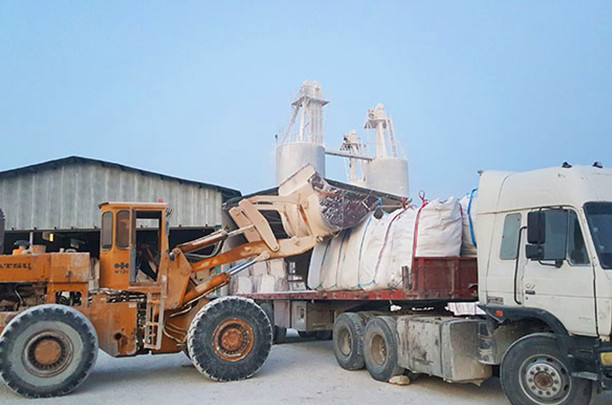
Packing&Delivery


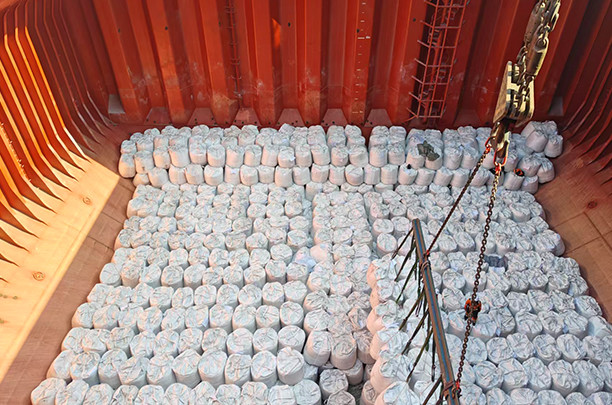
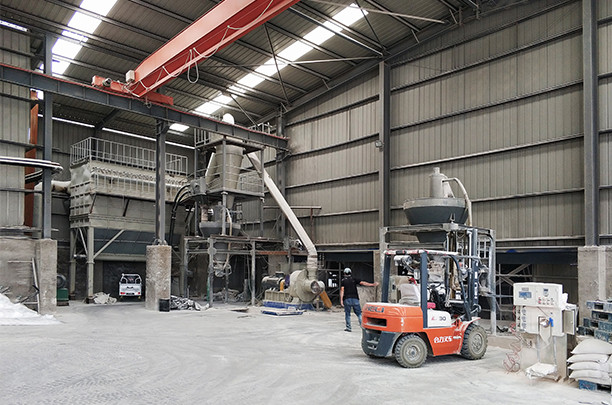
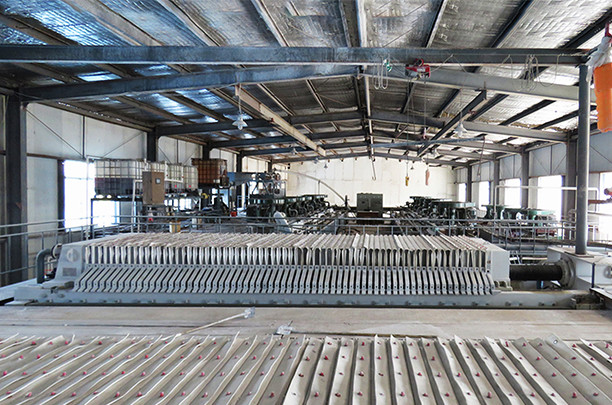
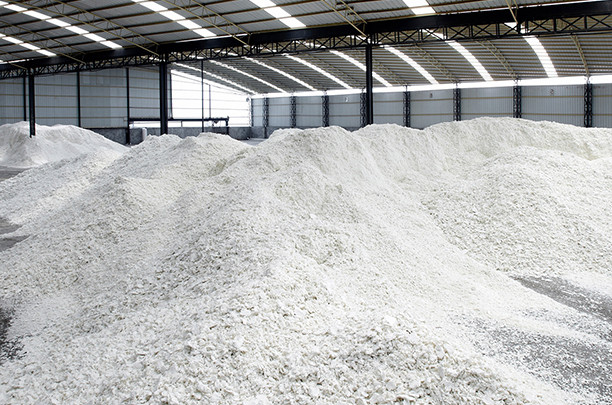
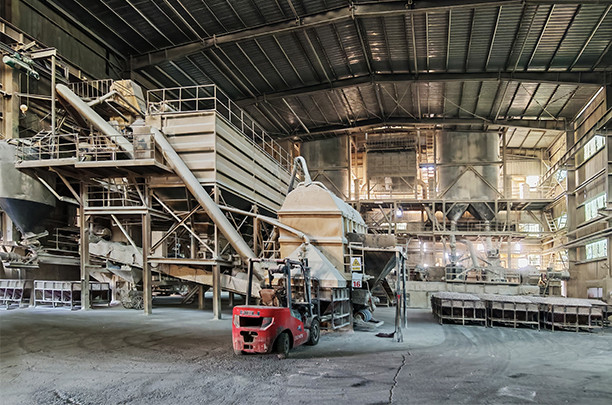
Factory & Workshop
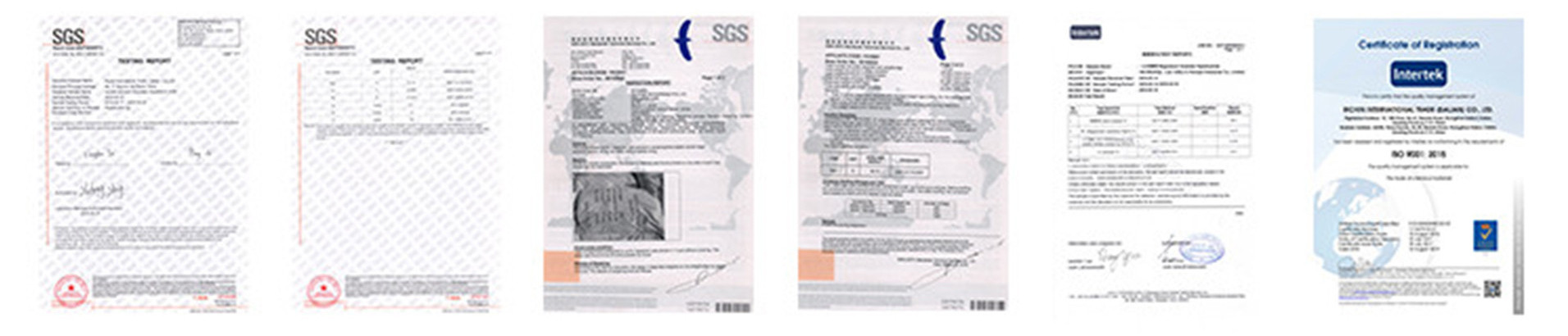
CERTIFICATE

Our Advantages
1.More than 10 years'experience in Magnesium products filed.
2.Working with shipping company directly can get lower sea freight.
3.Grasp industry information timely.
4.Faster working efficiency, better service,and ensure after-sale service.
5.The geographical position is superior,near the mine and the port.
6.Superior raw material.
7.Qualitycertificate:lSO,SGS,CIQ,Intertek,CCIC.
8.With rich and professional export experience incontainer and bulk cargo ship.
9.Annual capacity 500,000mts.
10.Provide professional Pre-sale consultingincludingproduct, packaging, transportation,certification andtesting etc.
11.Test the quality, weight and packaging of theproduct before shipment.
12.Prompt reply within 12 hours.
13.Bag customization service.
More Products
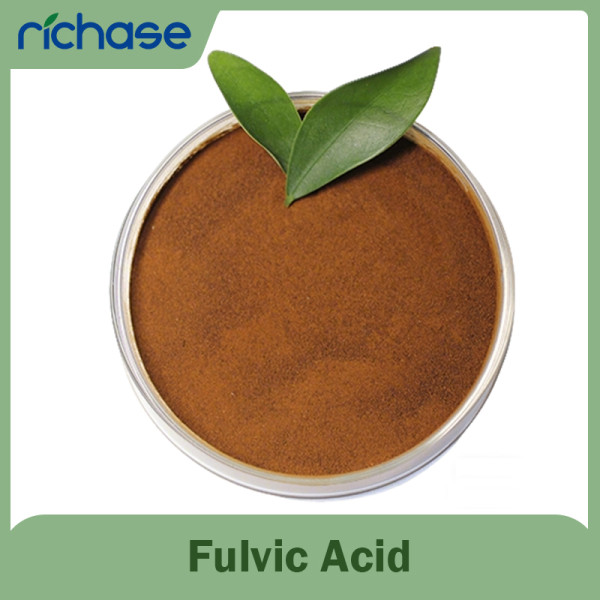
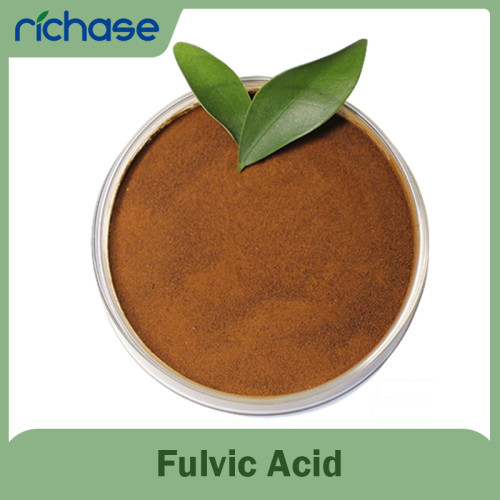
Richase's pure Fulvic Acid unlocks
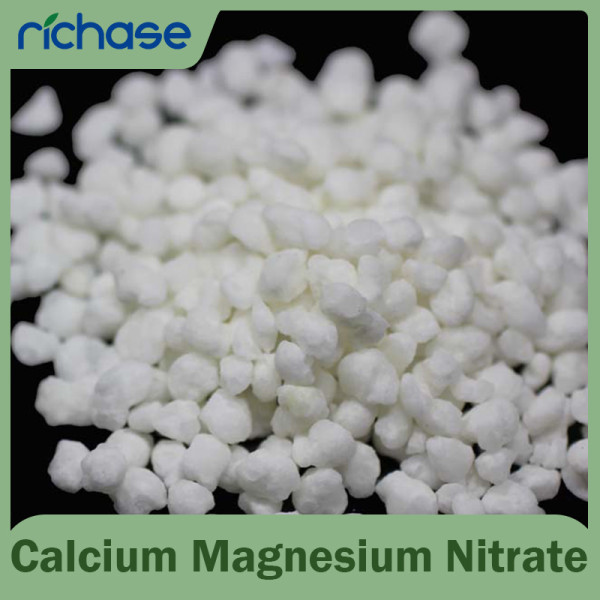
Richase supplies high-quality Calcium Magnesium Nitrate flakes, providing essential calcium
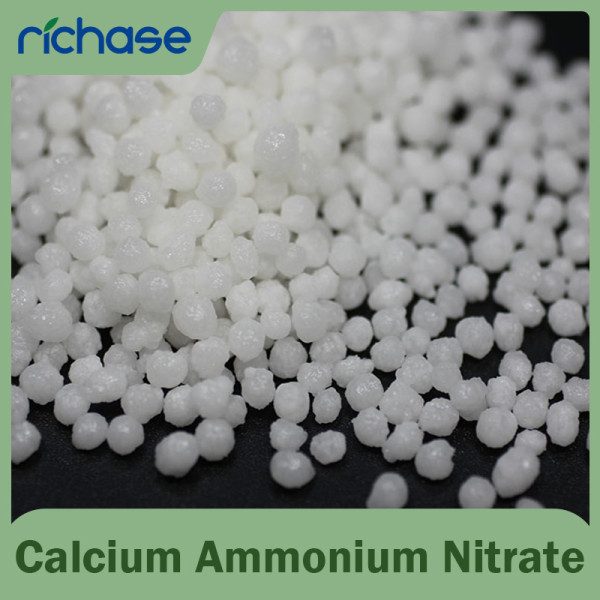
Calcium ammonium nitrate or CAN, also known as nitro-limestone, is a widely used inorganic fertilizer
Sodium Metasilicate Pentahydrate OEM/ODM solutions & wholesale:
FAQ
Q1: What is the difference between Humic Acid and Fulvic Acid?
A: Both are vital, but serve different primary functions. Humic Acid is larger, focuses on improving long-term soil structure, nutrient retention (high CEC), and stimulating microbial life. Fulvic Acid is much smaller, excels in chelating nutrients for immediate plant uptake, penetrating plant tissues, and acting as a cellular biostimulant. Use Humic Acid to build your soil and Fulvic Acid to feed and stimulate your plant directly. They are a powerful team when used together.
Q2: How long does it take to see results from applying Humic Acid?
A: Results occur in stages. Some benefits, like improved soil workability and moisture retention, can be observed within a single season. The most significant improvements in soil structure, microbial activity, and long-term fertility build progressively over 1-3 years of consistent application. It is an investment in long-term soil health.
Q3: Is Potassium Humate better than plain Humic Acid?
A: Potassium Humate is not inherently "better," but it is more convenient and versatile. Its water solubility allows for easy application in irrigation systems, foliar sprays (when formulated accordingly), and quick mixing. Plain Humic Acid powder is very cost-effective for large-scale soil incorporation where solubility is not a requirement. The choice depends on your application method.
Review
- 加载中···
Please send your message to us
- Phone
- *Title
- *Content
Leading Mining & Agriculture Chemical Supplier
Phone: +86-135-9112-6676
E-mail: info@richase.com
E-mail: info@richase.com
Please send your message to us
- Phone
- *Title
- *Content
subscription