Humic Acid for Fertilizer: Buyer Guide
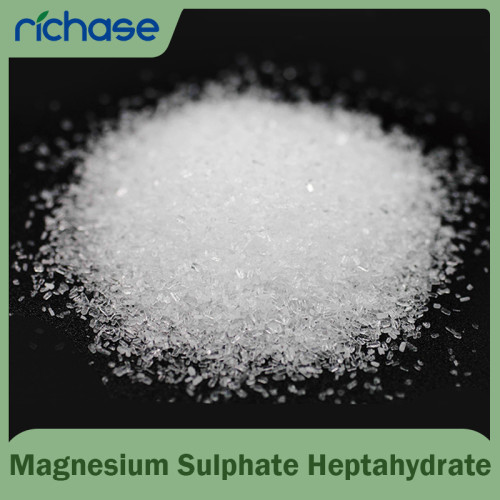
If your fertilizer program still treats Humic Acid as an optional extra, you are leaving yield, nutrient efficiency, and soil resilience on the table. For international buyers sourcing from China, humic substances have quietly become one of the most cost-effective soil inputs on the market. They are not a fertilizer in the traditional sense, yet they make every other fertilizer work harder. This buyer guide breaks down what humic acid does in the soil, how it differs from fulvic acid, why potassium humate leads the category, and how to specify a grade that actually pays for itself.
What Humic Acid Actually Does in the Soil
Humic Acid is a natural organic compound formed over millennia from decomposed plant and animal matter. It is the dark, fertile backbone of soil humus. Rather than feeding the plant directly, it renovates the soil itself. It binds clay particles into stable aggregates, lifts cation exchange capacity (CEC), chelates micronutrients such as iron, zinc, and manganese into plant-available forms, and feeds the beneficial microbes that drive nutrient cycling. Think of a humic acid fertilizer program as building the house before you furnish it: better structure, better retention, better biology.
Humic Acid vs Fulvic Acid: Know the Difference
Buyers often confuse the two, but they play different roles. Humic acid molecules are large and focus on long-term soil architecture, nutrient holding, and microbial life. Fulvic acid molecules are much smaller, which lets them penetrate plant tissue, chelate nutrients for immediate uptake, and act as a cellular biostimulant. The practical takeaway: use humic acid to build your soil, and fulvic acid to feed and stimulate the plant directly. Used together, they are a powerful team across both soil and foliar programs.
Why Potassium Humate Is the Grower Favorite
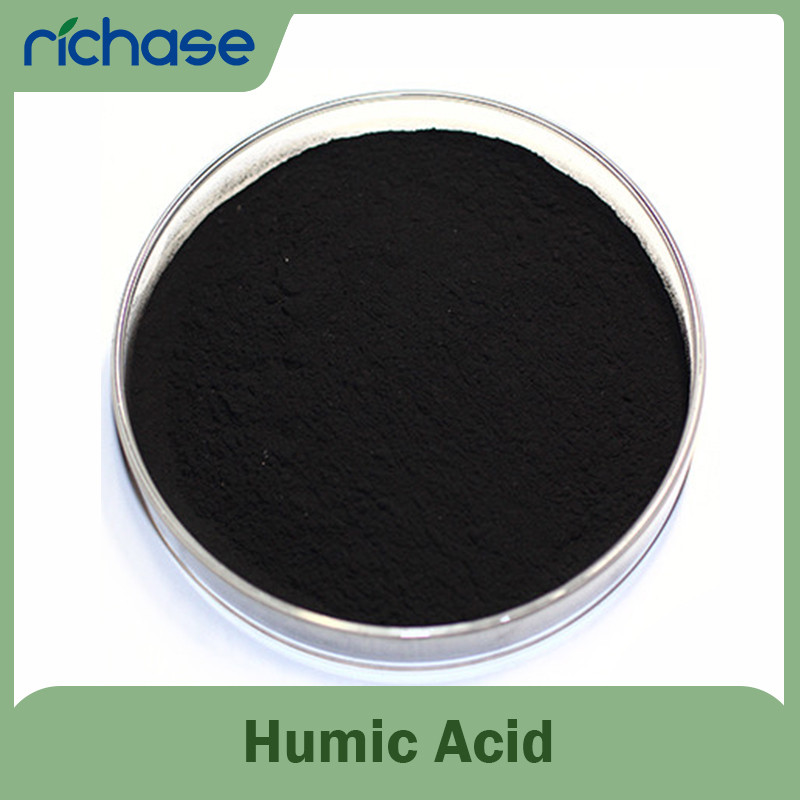
Raw humic acid is only sparingly soluble in water, which limits how you can apply it. Process it with potassium hydroxide and you get potassium humate, a water-soluble, alkaline-stable form that works in fertigation, foliar sprays, and hydroponics. It keeps the soil-conditioning power of humic acid while unlocking easy, precise dosing. For greenhouse and high-value crop operations, that solubility is the difference between a product that sits in the shed and one that runs through the drip line every week.
Soil Conditioner Benefits Buyers Can Measure
As a soil conditioner, humic acid delivers outcomes procurement teams can quantify. It improves aggregate stability, so compacted ground loosens and sandy ground holds water. It raises CEC, so applied nitrogen, potassium, and calcium stay available instead of leaching away. It buffers pH swings and can bind heavy metals and pesticide residues, lowering their toxicity. Across a season, growers routinely report steadier emergence, stronger root systems, and better tolerance to drought and salinity stress.
How Humic Acid Improves Fertilizer Efficiency
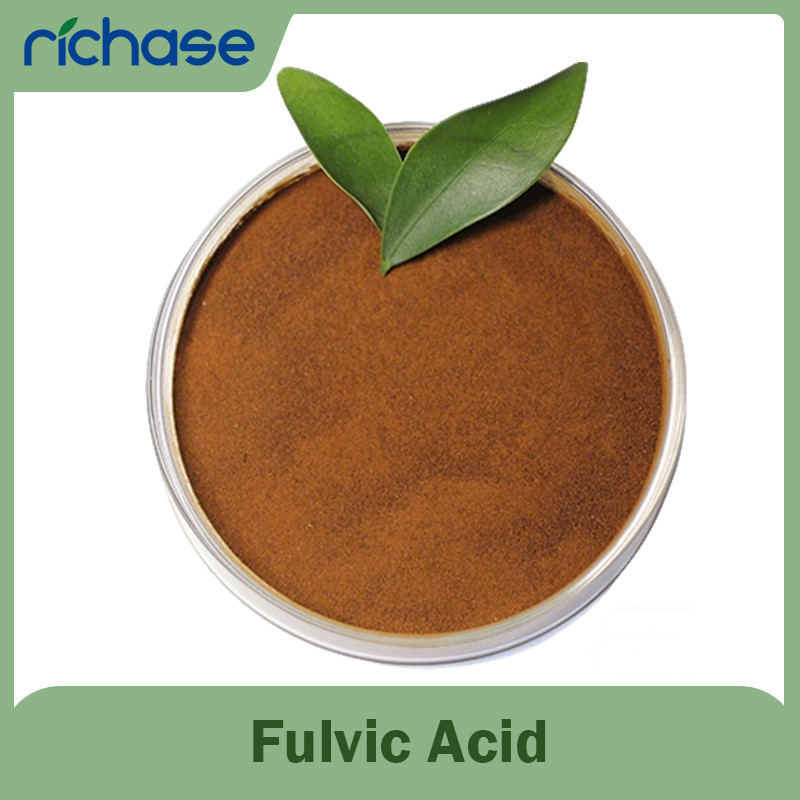
The clearest financial case for humic acid is nutrient efficiency. By chelating phosphorus and micronutrients and slowing nitrogen loss through volatilization and leaching, it lets you hit the same yield with less input. Blending 1 to 3 percent humic powder or granule into NPK compounds lifts the value of the whole product. Several field programs document 10 to 20 percent higher yields alongside measurable reductions in fertilizer runoff, which matters as regulators tighten synthetic-fertilizer limits across Europe and parts of Asia.
Choosing the Right Form: Powder, Granular, or Liquid
Form follows your application system. Powdered humic acid is the most economical for large-acreage soil conditioning and NPK blending, and it remains the volume leader worldwide. Granular grades broadcast and till in cleanly for base dressing. Liquid concentrates integrate with fertigation and foliar platforms and are the fastest-growing segment, favored by precision agriculture and protected cultivation. When you request a quote, state the humic substance content, solubility, mesh or particle size, and whether you need OMRI-listed material for organic programs.
Application Methods That Pay Off
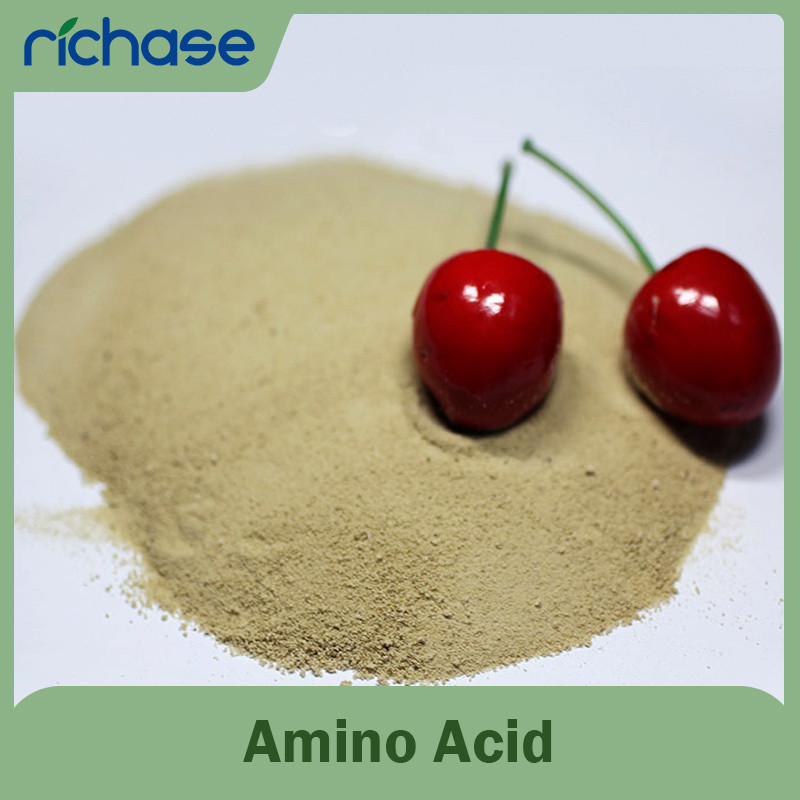
Dosing depends on crop and soil, but standard guidance is a useful starting point. For soil rehabilitation of compacted, saline, or degraded land, incorporate 100 to 500 kg per hectare before planting. For continuous cropping, apply 50 to 200 kg per hectare of potassium humate annually with basal fertilizer. In fertigation or hydroponics, use water-soluble powder at 2 to 5 kg per hectare per pass. Foliar sprays typically run a 0.1 to 0.2 percent solution. Always start with a small test strip, then scale once you see root and vigor response.
Sourcing From a Consistent Supplier
Not all humic acid is equal, and origin decides performance. Leonardite and oxidized lignite from established deposits give the most consistent humic fraction, while source material and extraction method drive solubility and heavy-metal profile. Because humic readings can vary by up to 40 percent between labs, third-party certificates and QR-code traceability are becoming real differentiators. A supplier that documents batch testing, offers OEM packing, and ships from a port near the mine protects both your quality and your lead time.
How Richase Supports Global Growers
Richase Group Limited supplies Humic Acid and potassium humate to agriculture and horticulture customers across Africa, Latin America, Europe, and Southeast Asia. Our organic fertilizer inputs are backed by ISO, SGS, CIQ, Intertek, and CCIC documentation, with annual capacity in the hundreds of thousands of metric tons and direct access to Tianjin, Shanghai, and Qingdao ports. You can review the technical sheet, request a sample, and confirm specifications on the product page: Humic acid / Potassium humate.
Key Takeaways for Procurement Teams
- Humic acid is a soil builder, not a direct fertilizer, and it makes every other input work harder.
- Pair humic acid for the soil with fulvic acid for fast plant uptake.
- Potassium humate gives you water-soluble, fertigation-ready performance.
- Specify humic content, solubility, mesh, and certification, not just price per ton.
- Choose a documented, traceable supplier to protect quality and lead time.
Frequently Asked Questions
Will humic acid change my soil pH overnight? No. Its effects on structure and nutrient retention build over several growing cycles. Can I mix it with my existing fertilizer? Yes, powder and granule blend well with NPK; test liquid blends for compatibility with hard or calcium-rich water. Is it safe for organic programs? Ask your supplier for OMRI or equivalent certification relevant to your region.
Conclusion
Richase Group Limited understands that different growers face different soil and regulatory challenges, and our Humic Acid products, including high-quality potassium humate and related biostimulants, come from a strict quality-control system that ensures consistent purity, solubility, and safety in every batch, helping customers raise nutrient efficiency and protect long-term soil health.