Leading Mining & Agriculture Chemical Supplier

Leading Mining & Agriculture Chemical Supplier
Phone: +86-135-9112-6676
E-mail: info@richase.com
E-mail: info@richase.com
Home / All / Fertilizer & Agrochem / N.P.K / High Purity Ammonium Chloride Powder OEM & ODM Manufacturing
High Purity Ammonium Chloride Powder OEM & ODM Manufacturing

| Share | |
|---|---|
| Categories | N.P.K |
| Brand | Richase Specialty Chemical Additives Supplier |
| Model | 95.5% |
| Item | Ammonium Chloride |
| Packing | PP+PE 25/50 net |
| HS code | 28271010 |
| Molecular Weight | 53.491 g/mol |
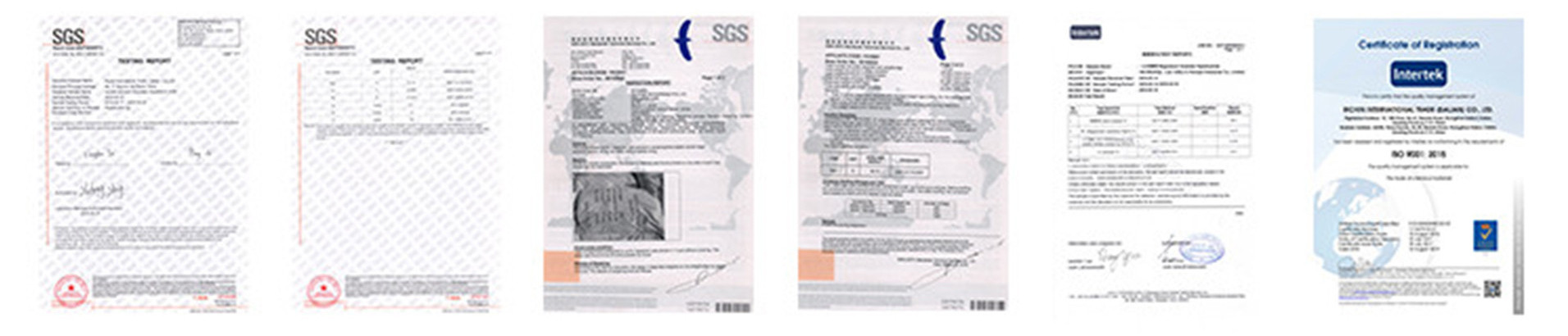
| Certificate | ISO, SGS, CIQ, CCIC, Intertek |
| Application | Agriculture, Industrial |
| FOB port | Tianjin |
| Terms of Payment | L/C, Western Union, MoneyGram, T/T, Paypal |
Detail Information

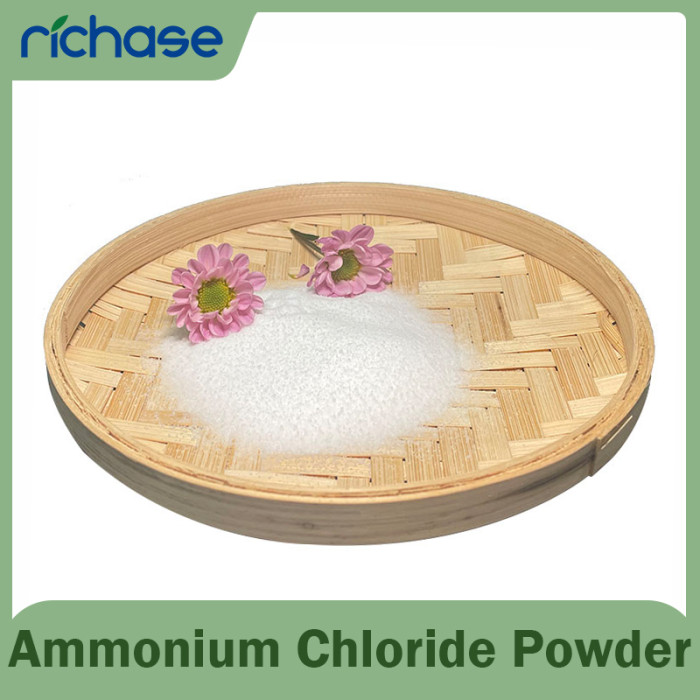
What is Ammonium Chloride Powder?
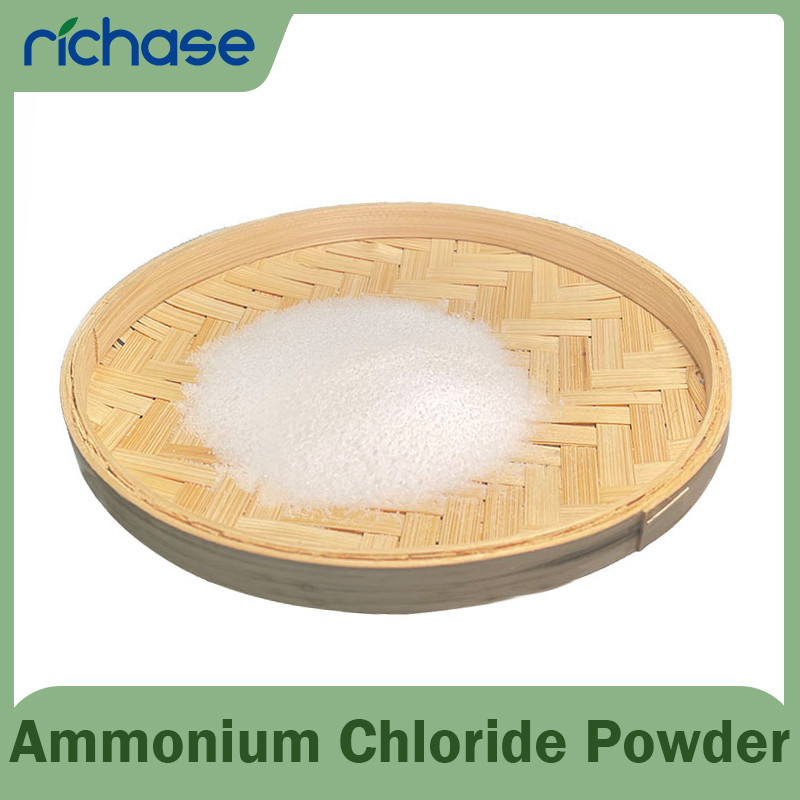
Ammonium Chloride Powder (NH₄Cl), also known as sal ammoniac in its pure form, is a highly soluble, crystalline white powder that serves as a concentrated and cost-effective source of nitrogen (N) and chlorine (Cl). With a nitrogen content of approximately 25-26%, it provides nitrogen in the readily available ammonium form (NH₄⁺). Its fine powder form ensures rapid dissolution and uniform mixing, making it a versatile input for direct agricultural application, industrial compound manufacturing, and as a key ingredient in nitrogen-specific fertilizer blends. It is particularly valued in regions and cropping systems where its chloride content provides an agronomic benefit.
Core Features & Competitive Advantages
High Concentration & Cost Efficiency
· High Nitrogen Content: Delivers 25-26% nitrogen in the ammonium form, providing a strong and immediate nitrogen source for plant growth at a highly competitive price point per unit of nutrient.
· Source of Chloride: Supplies chloride, an essential micronutrient that can improve disease resistance in certain crops (e.g., wheat against take-all root rot) and enhance cell turgor and stalk strength.
Agronomic & Physicochemical Advantages
· Acidifying Effect: Upon plant uptake of ammonium, it releases hydrogen ions, which can help to gradually lower the pH of alkaline or calcareous soils over time, improving the availability of phosphorus and micronutrients like iron and zinc.
· Low Volatility Risk: Compared to urea, ammonium from Ammonium Chloride Powder is less prone to volatile loss as ammonia gas, especially when incorporated into the soil, leading to more predictable nitrogen efficiency.
· Excellent Solubility & Handling: The fine powder dissolves quickly in water, facilitating use in fertigation and liquid formulations, and is easy to handle and blend uniformly.
Stability & Functionality
Chemical & Storage Stability
Hygroscopic Nature: The product has a tendency to absorb moisture from the air (hygroscopic). When stored under cool, dry conditions in sealed, moisture-proof packaging, it maintains excellent flowability and prevents caking.
Thermal Stability: It is thermally stable under normal storage temperatures but can sublimate (transition directly from solid to gas) at high temperatures, necessitating storage away from heat sources.
Functional Efficacy in Soil
Nitrogen Availability: The ammonium nitrogen is held on soil colloids, reducing immediate leaching. It is then converted to nitrate (nitrification) for plant uptake, providing a steady nitrogen supply.
Chloride Mobility: The chloride anion is highly mobile in soil and is readily taken up by plants, fulfilling its physiological roles without significant residual buildup under normal application rates.
Product Specifications
AMMONIUM CHLORIDE (TECH. GRADE)
Standard:GB2946-2008
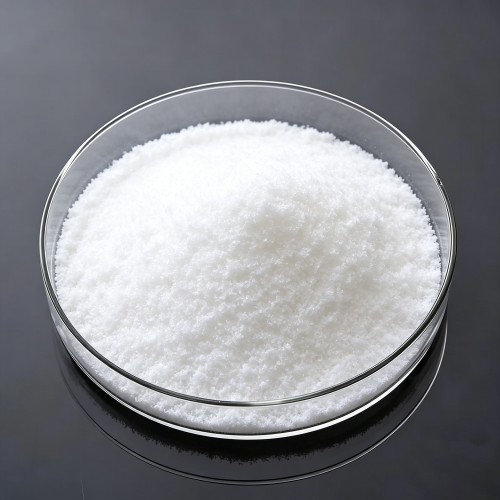
Appearance: White powdered crystals
| Item | Specification | ||
| NH4CL(AS DRY BASIS) % | ≥99.5 | ||
| MOISTURE % | ≤0.5 | ||
| RESIDUE IN IGNITION % | ≤0.4 | ||
Fe % | ≤0.0007 | ||
Pb % | ≤0.0005 | ||
SO4 % | ≤0.02 | ||
PH 200g/L25 | 4.0-5.8 | ||
Application: Electroplating additives for dry cells and accumulators, fluxes formetal welding, dyeing aids, electroplating, adhesives. Dry battery, fabricprinting and dyeing, detergent (thickening effect)
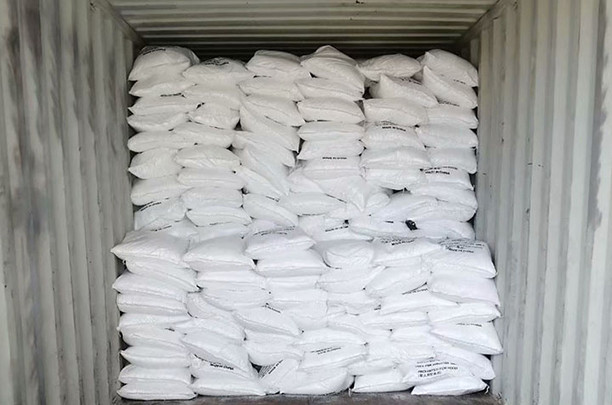
Packing and storage: In PP/PE bags, 25kg/1000kg net.
Product Application
1. Nitrogen Source for Chloride-Beneficial and Fiber Crops
Application: Ideal as a primary or supplemental nitrogen fertilizer for coconut, oil palm, and fiber crops like cotton and jute, which benefit from chloride for improved yield and quality.
Benefit: Supplies both essential nitrogen and beneficial chloride, promoting healthier growth, stronger fibers in cotton/jute, and potentially improving disease resistance.
2. Acidifying Agent for Alkaline Soil Management
Application: Used in alkaline or calcareous soils to provide nitrogen while simultaneously helping to lower soil pH over time, improving the availability of other nutrients.
Benefit: Offers a dual-purpose solution: feeding the crop with nitrogen and gradually amending problematic high-pH soil conditions, enhancing overall soil fertility and crop performance.
3. Raw Material for Industrial & Compound Fertilizer Production
Application: A key nitrogen and chloride source in the manufacturing of NPK compound fertilizers, liquid fertilizers, and for various industrial processes (e.g., metalworking, batteries).
Benefit: Its consistent quality, high solubility, and specific nutrient profile make it a reliable and efficient raw material for producing customized fertilizer formulations and industrial chemicals.
Applications & Solutions

Cereal Crops
Reduces nitrogen runoff in paddy rice versus ammonium fertilizers

Vegetable & Horticultural Crops
Rapid nitrogen uptake boosts leaf growth in leafy greens
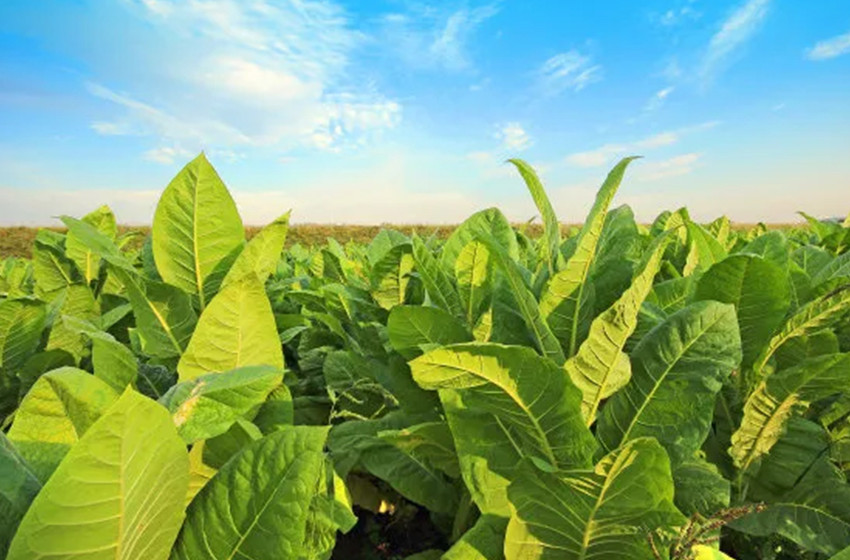
Cash Crops
Maintains tobacco leaf thickness and combustibility
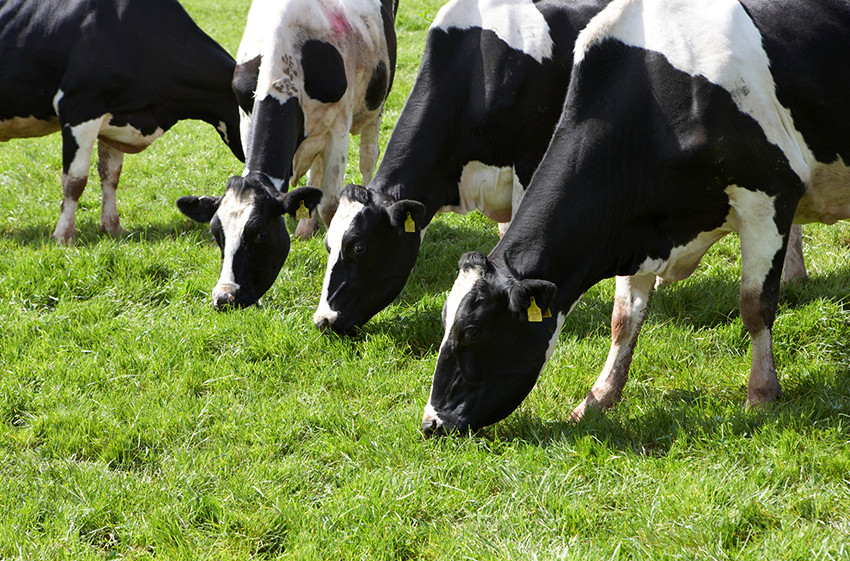
Pasture & Forage Productions
Doubles dry matter yield in ryegrass/alfalfa
Storage Environment Requirements
✦Temperature & Humidity Control: Optimal storage temperature: -10℃~40℃ (extreme heat may accelerate slow hydrolysis; ≤-10℃ may embrittle packaging). Humidity must be <60% (≥70% humidity causes 15% caking within 3 days).
✦Ventilation & Light Protection: Store in cool, well-ventilated warehouses, away from direct sunlight (UV may slightly accelerate oxidation, reducing Fe content by 2%-3% long-term). Keep away from heat sources (e.g., radiators, boilers).
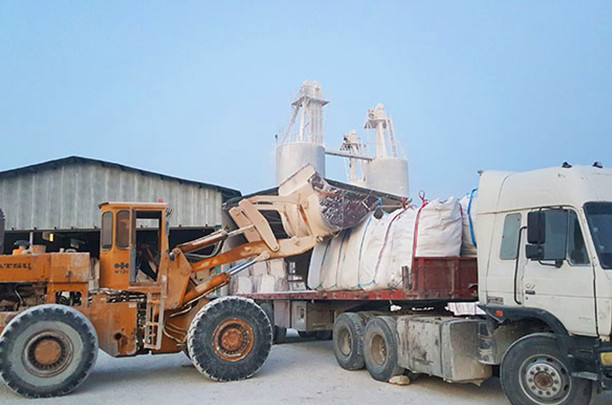
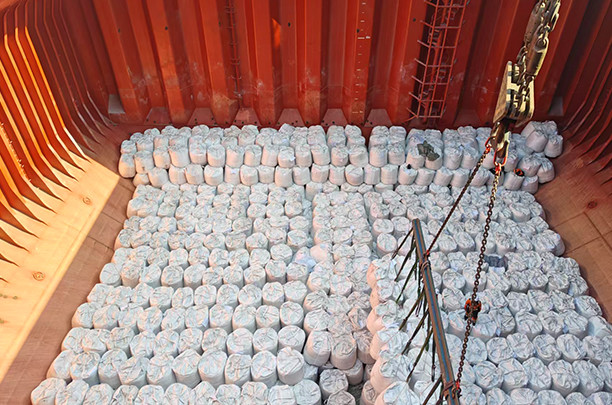
Packing&Delivery

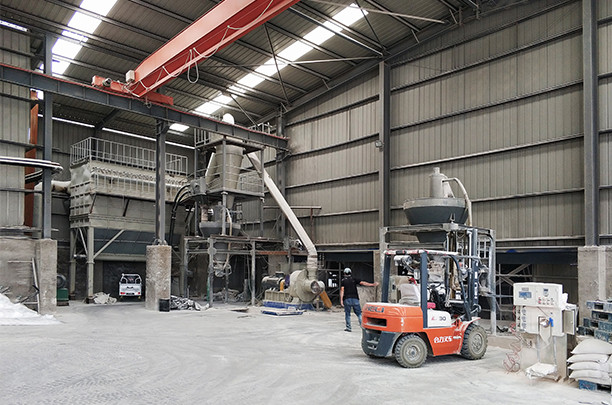
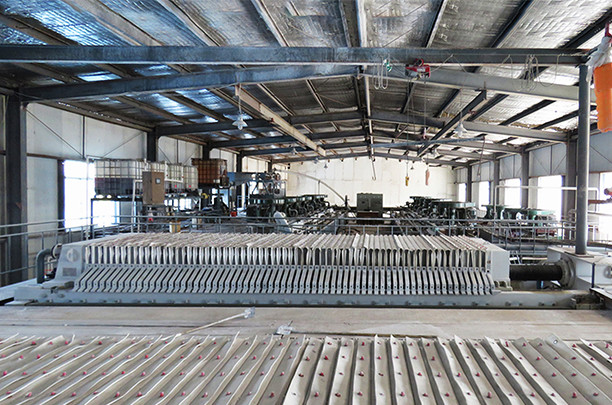
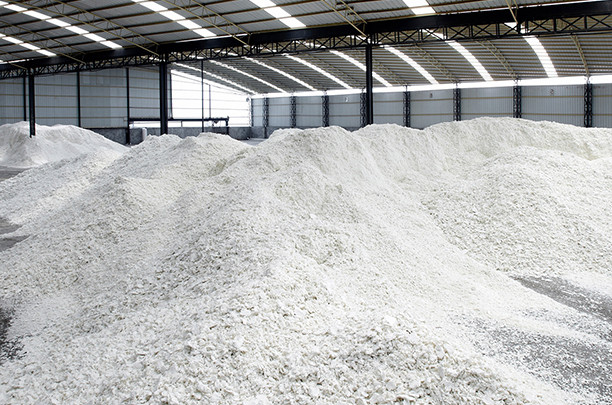
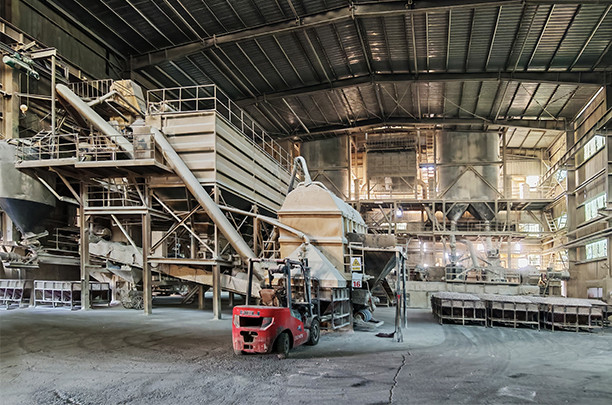
Factory & Workshop
CERTIFICATE

Related Product
Ferrous Sulphate Monohydrate Granular: OEM/ODM solutions & wholesale supply for global brands.
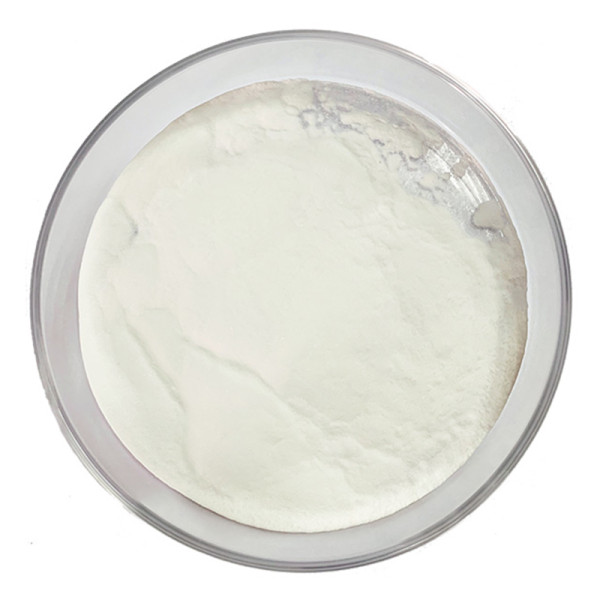
Richase EDTA-2Na (Disodium EDTA) delivers high purity EDTA-2Na 99% reagent grade for industrial and laboratory applications.
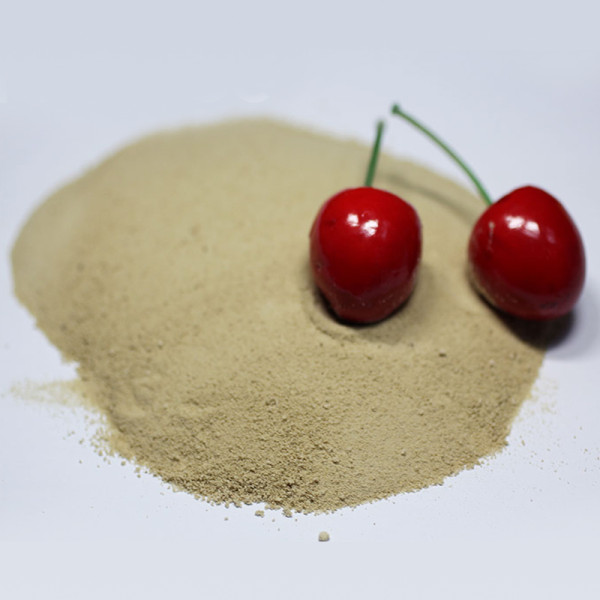
Richase Amino Acid delivers premium amino acid supplements for enhanced bioavailability.
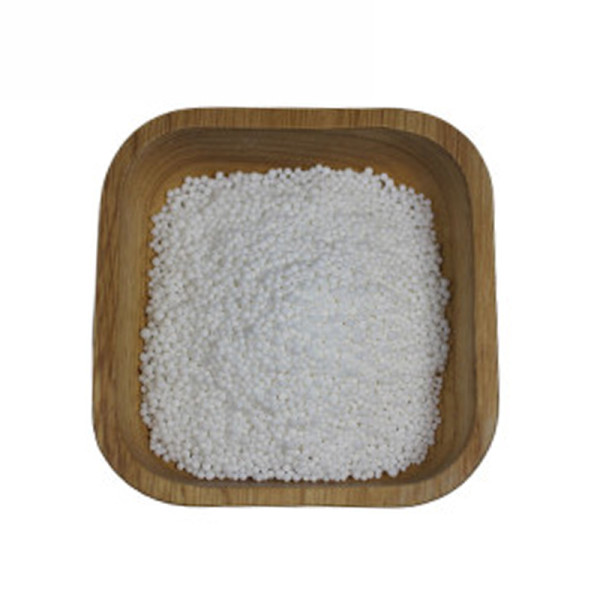
Richase Potassium Nitrate Granular (13-0-46) provides premium nitrate potassium with instant nitrogen and potassium for high-value crops.
FAQ
Q1: Is Ammonium Chloride Powder suitable for all crops?
A: While an efficient nitrogen source, it is not ideal for chloride-sensitive crops (e.g., tobacco, potatoes, some fruits like citrus and avocados, certain legumes) as the chloride can negatively affect quality (e.g., burn tobacco leaves, reduce potato starch content). It is best suited for chloride-tolerant or chloride-beneficial crops like cereals (wheat, corn), cotton, coconut, and oil palm. Always consider crop-specific chloride tolerance.
Q2: How does it compare to Ammonium Sulphate?
A: Both provide ammonium nitrogen and have an acidifying effect. Key differences: Ammonium Chloride has slightly higher N content (25-26% vs. 21% N in sulphate) and supplies chloride. Ammonium Sulphate supplies sulfur (24% S), a crucial secondary nutrient. The choice depends on whether your soil/crop needs sulfur (e.g., for oilseeds, legumes) or can benefit from chloride, and on local price and availability.
Q3: What is the best way to apply Ammonium Chloride Powder?
A: For agricultural use:
Basal Application: Incorporate into the soil before planting or as a side-dressing during early growth stages.
Fertigation: Due to its high solubility, it can be dissolved and applied through irrigation systems. Ensure complete dissolution and system compatibility.
Avoid surface broadcasting without incorporation on soils prone to ammonia volatilization.
Review
- 加载中···
Please send your message to us
- Phone
- *Title
- *Content
Leading Mining & Agriculture Chemical Supplier
Phone: +86-135-9112-6676
E-mail: info@richase.com
E-mail: info@richase.com
Please send your message to us
- Phone
- *Title
- *Content
subscription